1. The month in AI
GRC: AI assurance needs evidence, not slogans
APRA's April 2026 industry letter is a useful reset for AI governance teams. It says AI is being adopted quickly across regulated industries, but assurance practices are not keeping pace with the scale, speed and complexity of use cases. The practical lesson is that a board does not need another generic AI policy first. It needs a short evidence pack for each material use case: purpose, owner, risk tier, human review point, monitoring trigger, supplier dependency and recent control test. ASIC's May 2026 cyber letter adds urgency because AI can accelerate cyber threats and raise operational resilience expectations. The June question for GRC leaders is simple: what evidence would prove that AI is controlled in practice?
Source: apra.gov.au
HR: Digital work systems are now work design
NSW's new digital work systems reforms should be read by HR, WHS, operations and technology leaders together. The Act defines digital work systems to include algorithms, artificial intelligence, automation and online platforms, then links them to duties about safe work allocation. That matters beyond gig work. Many organisations already use tools that allocate tasks, prioritise tickets, send prompts, monitor activity or escalate work. Fair Work's right to disconnect guidance also reminds employers that contact outside working hours can be refused unless the refusal is unreasonable. The HR task for June is to audit workflow tools, not just employment policies, because the pressure may come from system settings rather than a manager's message.
Source: legislation.nsw.gov.au

WC: Human review remains the safeguard
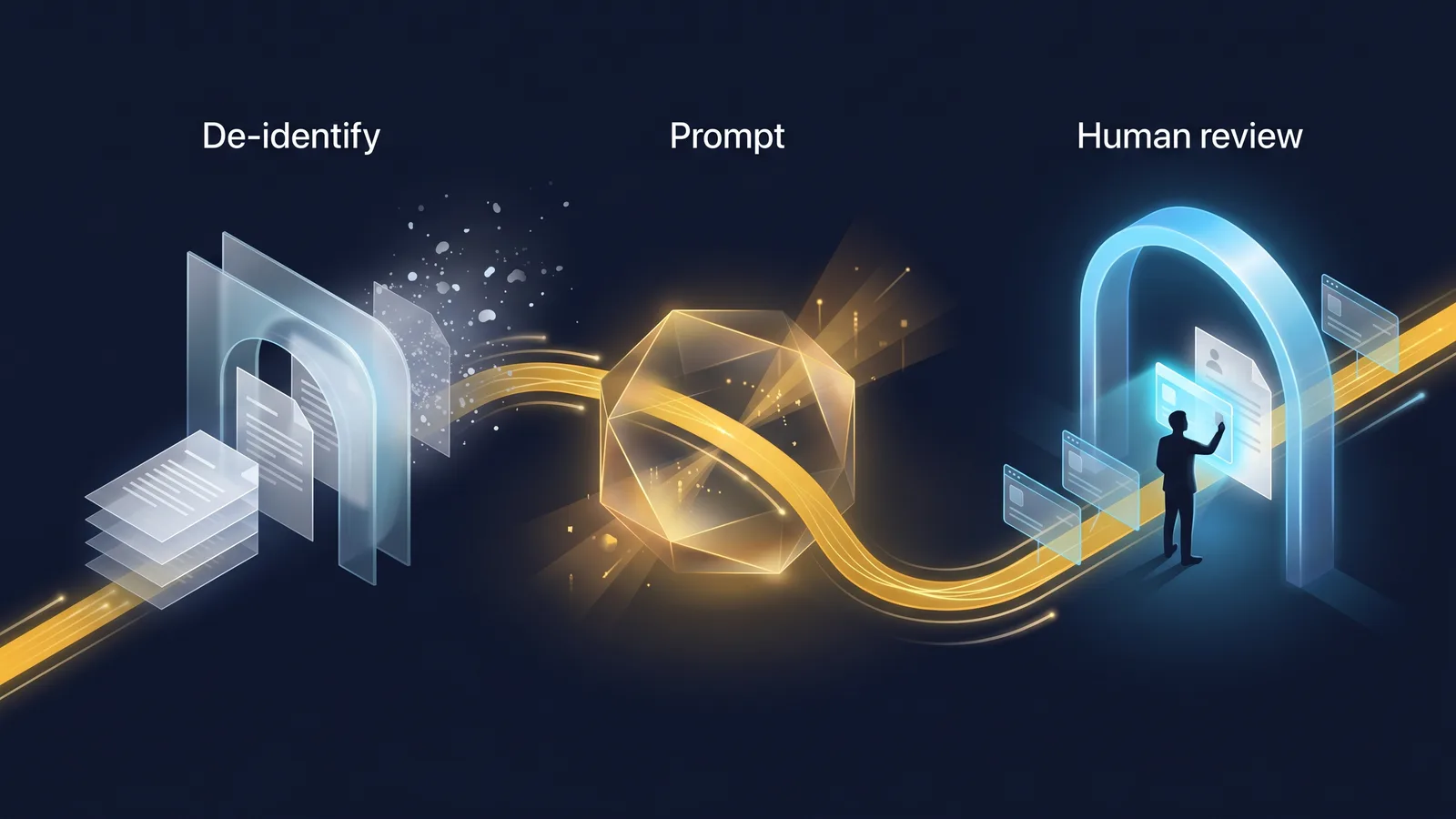
Workers compensation teams can use AI to organise information, compare records and improve drafting, but the decision still belongs with an accountable human decision-maker. That distinction is especially important under the SRC Act, where concepts such as injury, significant contribution and reasonable administrative action require careful evidence assessment. The safe pattern is to use de-identified inputs, keep personal information out of open systems, record what the tool was asked to do and check every output against the source material. A practical June control is a simple AI use log for claims work: task, source documents, reviewer, decision impact and privacy check. AI can support consistency, but it must not replace judgement.
Source: legislation.gov.au
2. Three actions GRC practitioners can take this month.
This month's deep section is for GRC practitioners who need to convert AI governance into reviewable operating evidence.
Build a material AI use case register that goes beyond tool names. For each use case, record purpose, business owner, data used, supplier dependency, user group, decision impact, risk tier, human review point, review cadence and evidence location. Keep low-risk experimentation visible, but prioritise depth for systems that touch customers, employees, regulated decisions or critical operations.
Create an AI assurance pack for the risk committee. Keep it short and repeatable: current material use cases, control test results, privacy and cyber issues, supplier assurance, incidents or complaints, open remediation and upcoming approvals. The pack should show how risk is being managed, not only that a framework exists. If the evidence is not current, say so and assign an owner.
Add contestability to the control design. The Australian AI adoption guidance and voluntary safety guardrails both emphasise feedback, monitoring and human control. Translate that into practical channels: who can question an AI-assisted output, how concerns are reviewed, when the tool is paused and how lessons are fed back into prompts, training, supplier settings and procedures.
3. Deep dive: the board pack test for AI governance

4. Prompt of the month.
Use this prompt when you need to turn an AI use case into a concise assurance pack for internal review.
You are assisting with an internal AI assurance review. Using only the information I provide, create a concise assurance pack for [AI use case name]. Cover purpose, users, data inputs, supplier or system dependency, decision impact, risk tier, human review point, privacy considerations, cyber or operational resilience considerations, monitoring triggers, open issues and recommended next actions. Do not invent facts. Mark any missing evidence as [MISSING]. Use Australian English. Do not include personal information. Output as a short table followed by three review questions for the accountable owner.How to use it. Paste de-identified source material only. Run the prompt in an approved system, then compare every output against the source records before sharing. Replace [MISSING] items with verified evidence or assign an owner and due date.
What to watch for. Do not use the output as legal, regulatory or professional advice. Check privacy, confidentiality, supplier terms and human review requirements before relying on it.
5. Glossary
- AI assurance pack
- A short evidence bundle showing how a material AI use case is owned, controlled, tested and monitored.
- Digital work system
- A system such as an algorithm, AI tool, automation or platform that affects how work is assigned, monitored or managed.
- Contestability
- A practical pathway for a person to question, correct or escalate an AI-assisted output or decision.
- Human review
- A meaningful check by an accountable person before an AI-assisted output is used for an important action or decision.
6. References
- APRA, APRA Letter to Industry on Artificial Intelligence, 30 April 2026
- ASIC, ASIC calls for urgent cyber uplift as AI accelerates cyber threats, 8 May 2026
- ASIC, Australia well placed to unlock opportunities from innovation in the financial system, 21 May 2026
- NSW legislation, Work Health and Safety Amendment (Digital Work Systems) Act 2026 No 5, 2026
- Fair Work Ombudsman, Right to disconnect, 2026
- AI.gov.au, Guidance for AI adoption: implementation guidance, 2026
- Department of Industry, Science and Resources, Safety Standard 10 Guardrails, 2026
- Federal Register of Legislation, Safety, Rehabilitation and Compensation Act 1988, Latest compilation